


Page 108 - Improved endothelialization by silicone surface modification and fluid hydrodynamics modulation- Implications for oxygenator biocompatibility Nasim
P. 108
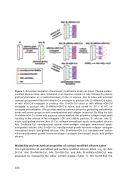
Figure 1. Schematic illustration of biomimetic modification of silicone tubes. Plasma surface- modified silicone tubes were immersed in an aqueous solution of AAc followed by plasma graft polymerization on a reabsorbed layer of AAc on silicone. AAc Si tubes with activated carboxyl groups were filled with nNitrite-Col conjugate to produce AAc Si-nNitrite-Col tubes, or with nGH-Col conjugate to produce AAc Si-nGH-Col tubes or with nNitrite-nGH-Col conjugate to produce AAc Si-nNitrite-nGH-Col tubes, and stored for 24 h at 4oC for conjugate immobilization. AAc provides reactive carboxyl groups for generating carbodiimide bonds with amine groups on both nanoliposomes and collagen molecules. By filling the AAc Si-nNitrite-nGH-Col tubes with aqueous culture medium, the polymeric collagen might swell resulting in the release of the entrapped nGH and nNitrite particles. Si, silicone; AAc Si, acrylic acid-grafted silicone; AAc Si-Col, collagen immobilized acrylic acid-grafted silicone; AAc Si-nNitrite-Col, nanoliposomal sodium nitrite-collagen conjugate immobilized acrylic acid-grafted silicone; AAc Si-nGH-Col, nanoliposomal growth hormone-collagen conjugate immobilized acrylic acid-grafted silicone; AAc Si-nNitrite-nGH-Col, nanoliposomal sodium nitrite-nanoliposomal growth hormone-collagen conjugate immobilized acrylic acid-grafted silicone.
Wettability and mechanical properties of surface-modified silicone tubes
The hydrophilicity of unmodified and surface-modified silicone tubes, e.g. Si, AAc Si-Col, AAc Si-nNitrite-Col, AAc Si-nGH-Col, and AAc Si-nNitrite-nGH-Col, was assessed by measuring the water contact angles (Table 1). We found that the
621


